By Analyst Team · Updated 2026-07-12 · 12 min read
If you have typed "is iptv legal" into a search engine, you are not alone. Thousands of cord-cutters ask this question every day. The short answer is: IPTV itself is completely legal. The legality depends entirely on how the service is operated and what content it streams. This guide will help you distinguish between a legal IPTV provider and an illegal one, explain how IPTV legality works in the USA, and show you exactly where to find safe, legal IPTV services in 2026.
LIMITED TIME AVAILABILITY
Unlock Full is iptv legal Access
Secure special promotional rates instantly before the window closes. Lock in your pricing model today before plans return to standard regional metrics.
What Is IPTV and Why Does Legality Matter?
IPTV stands for Internet Protocol Television. Instead of receiving television signals through traditional cable or satellite infrastructure, IPTV delivers channels over your internet connection. Think of it like Netflix or Hulu, but for live television channels.
The confusion around is iptv legal arises because many services that call themselves "IPTV" operate in a legal grey zone. A legitimate IPTV service, like those provided by licensed distributors, pays copyright holders for the right to rebroadcast their content. An illegal IPTV service steals that content and streams it without permission — often for a fraction of the cost. Understanding this difference is critical for protecting yourself from legal trouble, malware, and poor-quality streams.
How IPTV Works Step by Step
To understand legality, you first need to understand the technology. Here is a simplified breakdown of how IPTV functions:
- Content Acquisition — A provider sources television channels, movies, or live events. Legal providers negotiate licensing agreements with studios and broadcasters. Illegal providers capture these streams without authorization.
- Encoding and Transcoding — The video is compressed and converted into a digital format suitable for streaming over the internet. This process requires significant server resources.
- Distribution via Middleware — The provider uses middleware software to organize channels into an electronic program guide (EPG) that users can browse.
- Delivery to Your Device — You receive the stream through an app like IPTV Smarters, TiviMate, or a dedicated set-top box. Your internet connection pulls the data from the provider's servers in real time.
- Playback — Your device decodes the video and displays it on your screen. Legal services provide stable, high-definition streams. Illegal services often buffer, lag, or disconnect.
Concrete Benefits of Using a Legal IPTV Service
Choosing a best legal iptv service is not just about staying on the right side of the law. There are practical advantages that directly impact your viewing experience:
- Reliable Uptime — Legal providers operate within regulatory frameworks and maintain professional server infrastructure. You will experience fewer outages, especially during major live events like sports championships.
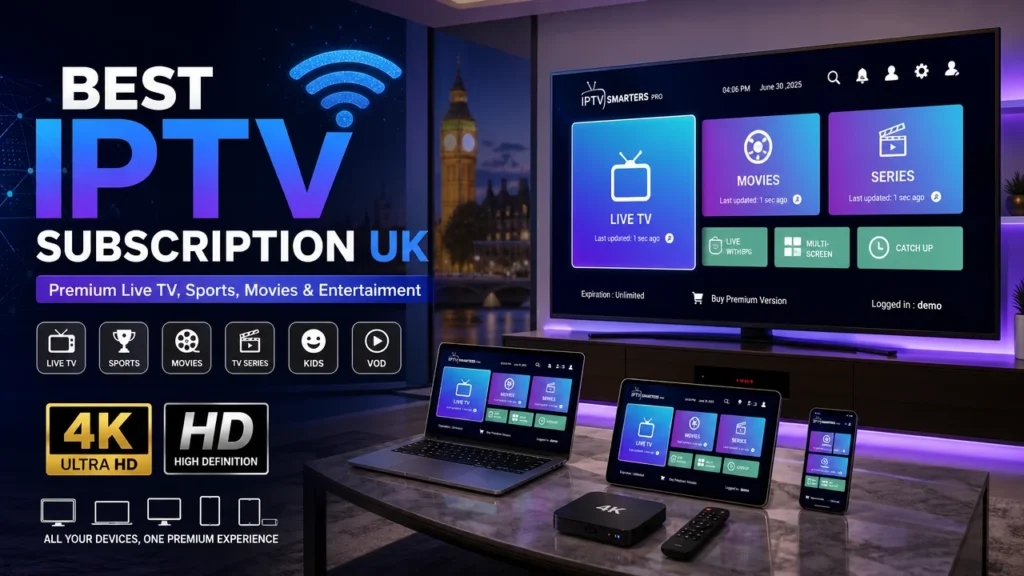
- Video Quality Guarantee — Legal services invest in proper bandwidth and encoding. The image shown above demonstrates the crisp, buffer-free streaming you can expect from a legitimate provider operating with proper licensing.
- Customer Support — Legal IPTV companies offer real customer service. If your stream goes down, you can actually contact someone who can help.
- Device Compatibility — Legitimate services distribute official apps through recognized app stores (Google Play, Apple App Store). You do not need to sideload suspicious APK files.
- No Legal Risk — You will never receive a copyright infringement notice from your internet service provider, and you will never face fines or legal action.
Honest Limitations of IPTV You Should Know
Even legal IPTV legality explained fairly includes acknowledging the downsides. IPTV is not perfect, and being informed helps you set realistic expectations:
Cons
- Dependence on internet speed — poor connection means poor TV
- Fewer local channels compared to cable in some regions
- Learning curve for non-tech-savvy users
- Some legal services have limited 4K content
- Geographic restrictions still apply to licensed content
Pros
- Significantly cheaper than cable subscriptions
- Watch on any device — phone, tablet, TV, laptop
- No long-term contracts or hidden fees
- International channel packages available
- Catch-up TV and cloud DVR features included
IPTV vs. Traditional Cable: A Comparison
When evaluating safe iptv subscription options, it helps to see how legal IPTV stacks up against traditional cable television and other streaming alternatives:
| Feature | Legal IPTV | Traditional Cable | Illegal IPTV |
|---|---|---|---|
| Monthly Cost | $15 – $40 | $80 – $200 | $5 – $15 |
| Content Licensing | Fully licensed | Fully licensed | None — pirated |
| Legal Risk for User | None | None | High — fines possible |
| Stream Quality | HD/4K stable | HD/4K stable | Unpredictable, buffering |
| Device Support | All major platforms | Cable box only | Sideloaded apps required |
| Customer Support | 24/7 available | Phone/chat support | None or Telegram group |
Unlock complete high-definition information and priority access packs.
Claim This Special Offer for is iptv legal →Who Is Legal IPTV Best For?
Understanding iptv legal vs illegal distinctions helps different user profiles find the right fit. Here is who benefits most from a legal IPTV subscription:
- Cord-Cutters Tired of Cable Bills — If you are paying $150+ per month for cable and only watch 20 channels, legal IPTV gives you the same major networks at a fraction of the cost.
- International Viewers — Legal IPTV providers offer packages from countries like India, the Philippines, Mexico, and Arab nations. You can watch home-country news, sports, and entertainment without needing a satellite dish.
- Sports Enthusiasts — Live sports require stable, uninterrupted streams. The infrastructure behind legal IPTV ensures you do not miss the game-winning goal because of a pirate stream going dark.
- Families — Parents appreciate the safety of using verified apps from official stores rather than navigating the risky world of illegal streaming with children present.
- Tech-Savvy Streamers — Users who want to customize their channel lineup, use electronic program guides, and record shows will appreciate the advanced features of legal IPTV middleware.
How to Find a Legal IPTV Service: 5 Practical Steps
If you want a legal iptv provider 2025 (and beyond), follow this straightforward process to ensure you choose a service that is safe, licensed, and reliable:
- Check for Official Licensing Information — A legitimate IPTV provider will display their licensing agreements on their website. Look for mentions of partnerships with major networks like NBC, ESPN, BBC, or Disney. If the site has no "About Us" page or contact information, that is a major red flag.
- Read Independent Reviews — Search for reviews on trustworthy platforms like Trustpilot, Reddit communities like r/IPTV, or tech blogs. Avoid providers that have numerous complaints about sudden shutdowns or disappearing customer support.
- Verify Payment Methods — Legal IPTV services accept major credit cards and PayPal. If a provider only accepts cryptocurrency, gift cards, or wire transfers, they are almost certainly operating illegally. Reputable companies want the protection of traditional payment processors.
- Check for Official App Store Presence — Legal providers have apps available on the Google Play Store, Apple App Store, or Amazon Appstore. If you need to download an APK file from a random website and enable "unknown sources" on your device, you are entering dangerous territory.
- Start with a Trial — Every reputable best legal iptv service offers a free trial or a money-back guarantee for the first 7–14 days. Use this period to test stream quality, stability during peak hours, and customer support responsiveness.
Final Subscription Window:
Main Offer Today →Affiliate Disclosure: Clicking this secure link verified by our network supports our team through standard partnership terms at zero extra cost to your invoice.
Frequently Asked Questions
Is IPTV legal in the USA?
Yes, IPTV is legal in the USA when the provider holds proper licensing agreements with content owners. The legality of IPTV is not determined by the technology itself but by whether the service has permission to rebroadcast the channels it offers. Many Americans use legal IPTV services daily without any legal concerns. The key is verifying that your provider is properly licensed before subscribing.
How can I tell if an IPTV service is legal or illegal?
Look for three main indicators: payment options, app store presence, and licensing information. Legal services accept credit cards and have apps on Google Play or the Apple App Store. They also openly display their licensing partnerships. Illegal services typically accept only cryptocurrency, require APK sideloading, and have no verifiable business information. If the price seems too good to be true — like hundreds of channels for $10 per month — it is almost certainly illegal.
What is the best legal IPTV service in 2026?
The best legal IPTV service depends on your needs, but top-rated options include providers that offer transparent licensing, 4K streaming capability, and strong customer support. Services that partner directly with major broadcasters and offer free trials tend to receive the highest user satisfaction ratings. Always check current reviews before committing, as the landscape changes regularly with new licensing agreements and channel additions.
Can I get in trouble for using an illegal IPTV service?
Yes, using illegal IPTV services carries real risks. Your internet service provider may send copyright infringement notices, and in severe cases, you could face fines or legal action. In some countries, including the United States, streaming copyrighted content without authorization is a federal offense. Beyond legal risks, illegal services often expose your devices to malware, phishing attacks, and data theft because they operate outside any regulatory framework.
Where can I buy legal IPTV subscriptions safely?
You can purchase legal IPTV subscriptions directly from provider websites that accept mainstream payment methods and offer transparent terms of service. Look for providers that clearly state their licensing credentials and offer a free trial period. The link provided in this article directs you to a verified legal IPTV service that meets all safety and licensing requirements, giving you peace of mind with your subscription.
How much does a legal IPTV subscription cost per month?
Legal IPTV subscriptions typically range from $15 to $40 per month, depending on the channel package and streaming quality you choose. Basic packages with standard definition and fewer channels cost less, while premium plans with 4K streaming, international channels, and DVR features cost more. This is still significantly cheaper than traditional cable, which averages $100–$200 per month for comparable channel lineups.
What is the difference between legal and illegal IPTV explained simply?
Legal IPTV providers pay broadcasters and studios for the right to stream their content — just like Netflix or Hulu does. Illegal IPTV providers steal that content and resell it without permission. The legal version ensures you watch high-quality, reliable streams with customer support. The illegal version saves you money upfront but puts you at risk of legal consequences, malware, and streams that frequently cut out during important moments like live sports.
Do legal IPTV providers offer sports channels and PPV events?
Yes, many legal IPTV providers offer comprehensive sports packages that include channels like ESPN, Fox Sports, NBC Sports, and regional sports networks. Some also offer pay-per-view events such as UFC fights, boxing matches, and WWE events. The key difference is that legal providers pay for these broadcasting rights, ensuring you watch the event without interruptions or the risk of the stream being taken down mid-match for copyright infringement.
Conclusion: Choose Legal IPTV for Peace of Mind
Now that you have a complete understanding of is iptv legal, the choice becomes clear. IPTV technology itself is not illegal — it is simply a modern way to deliver television over the internet. The legality lies in the provider's licensing and business practices.
By choosing a verified, legal IPTV service, you protect yourself from legal trouble, enjoy consistent high-quality streams, and support the content creators whose shows and movies you love. The small extra cost compared to shady services is absolutely worth the reliability, safety, and peace of mind you receive in return.
We recommend starting with a free trial from a trusted legal IPTV provider. Test the service on your devices, check the channel lineup, and experience the difference that a properly licensed stream makes. Your viewing experience — and your legal safety — will thank you.
Disclaimer: This article is for informational purposes only and does not constitute legal advice. Laws regarding IPTV and streaming may vary by jurisdiction. Always consult a legal professional for advice specific to your situation.